I traded the endless neon lights and exhaust fumes of Ballarat city for the comforting scent of damp earth, the smell of the bush, sheep, and hay.
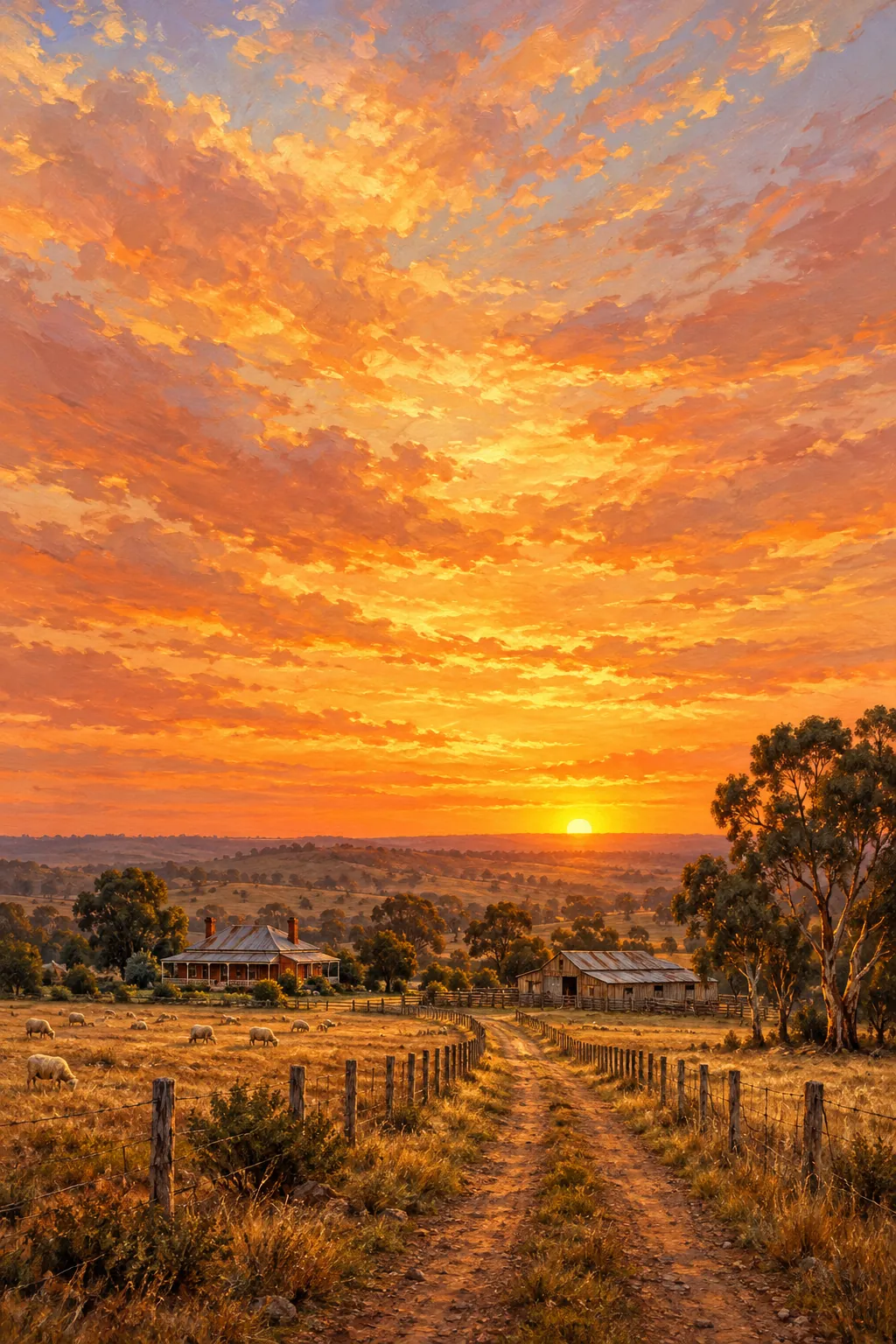
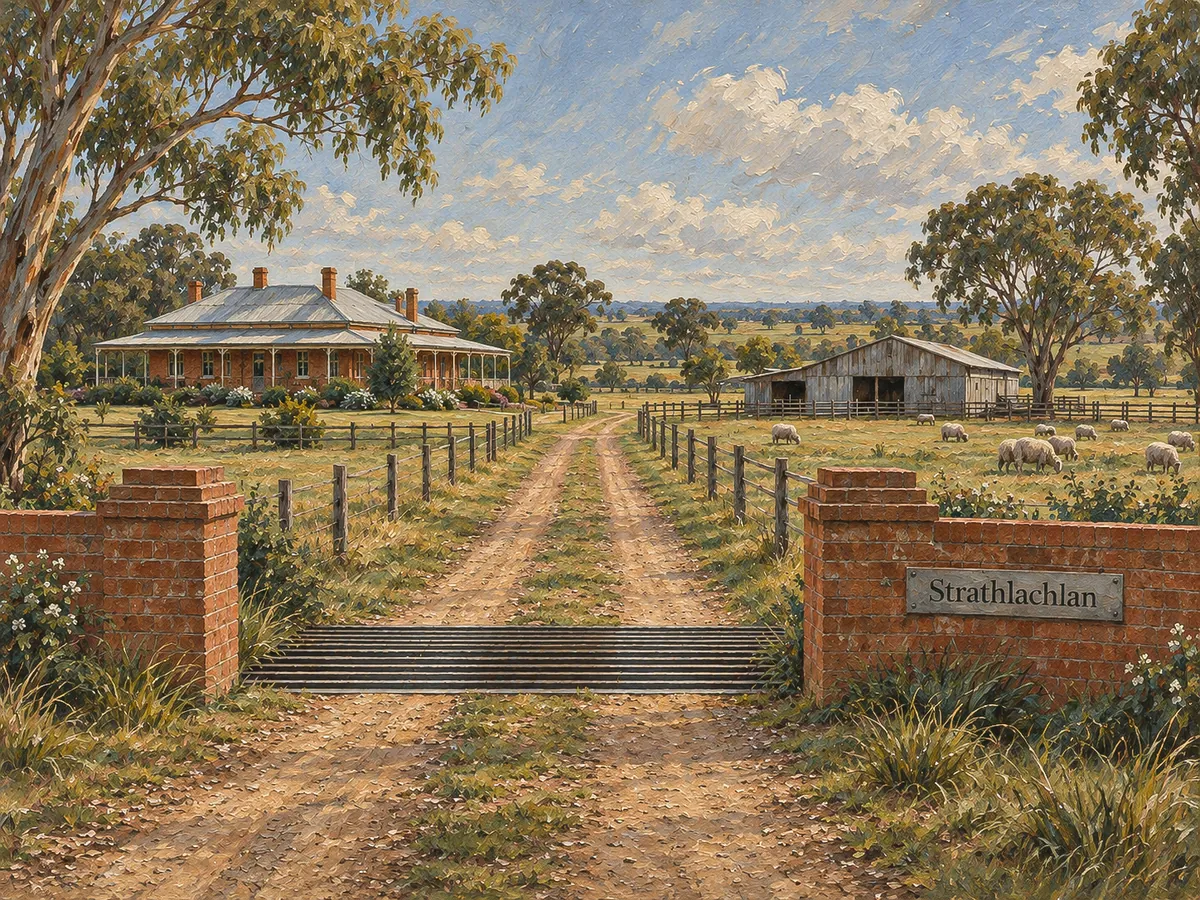
Curtis McLachlan’s farm near Ballarat was meant to carry the family name for generations.
A personal account of rural life, family conflict and the lasting search for understanding.
Watch the trailer
I trusted I loved I was betrayed But I survived Now I tell the truth
A story of family, betrayal, survival… and the truth that refused to stay buried.
In Betrayal in Ballarat, Glenda McLachlan looks back on a life shaped by rural Victoria, family relationships and the legacy of her father, Curtis. Memories of farm life sit alongside experiences of grief, marriage, motherhood and the struggle to build an independent life.
Told from Glenda’s perspective, this Australian autobiography explores broken trust, belonging and the enduring effects of family conflict. It is also an effort to preserve her father’s story and the farming legacy that meant so much to him.
Three generations of McLachlans on the land, and a farm built to last for generations more.
The bonds that hold a family together, and the pressures that pull one apart.
Loss that arrives without warning, and how long its shadow can fall.
Building a life of her own, from a Ballarat bakery to a Queensland cottage industry.
Setting the record straight, and preserving a father’s name.
Nine moments from Glenda’s life, in her own words. No spoilers, just a glimpse of the road.
I traded the endless neon lights and exhaust fumes of Ballarat city for the comforting scent of damp earth, the smell of the bush, sheep, and hay.
Curtis McLachlan’s farm near Ballarat was meant to carry the family name for generations.
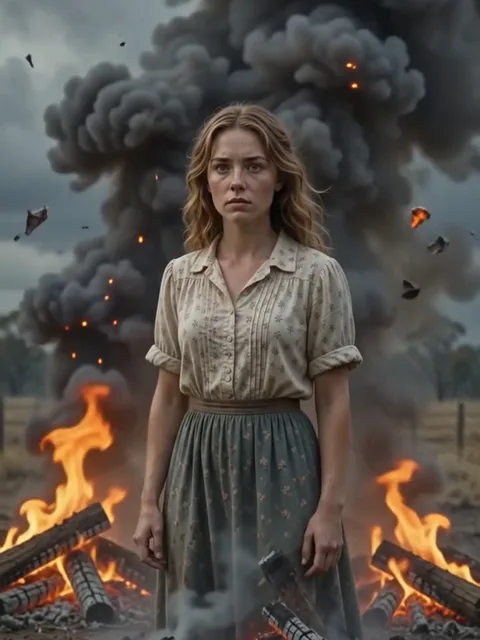
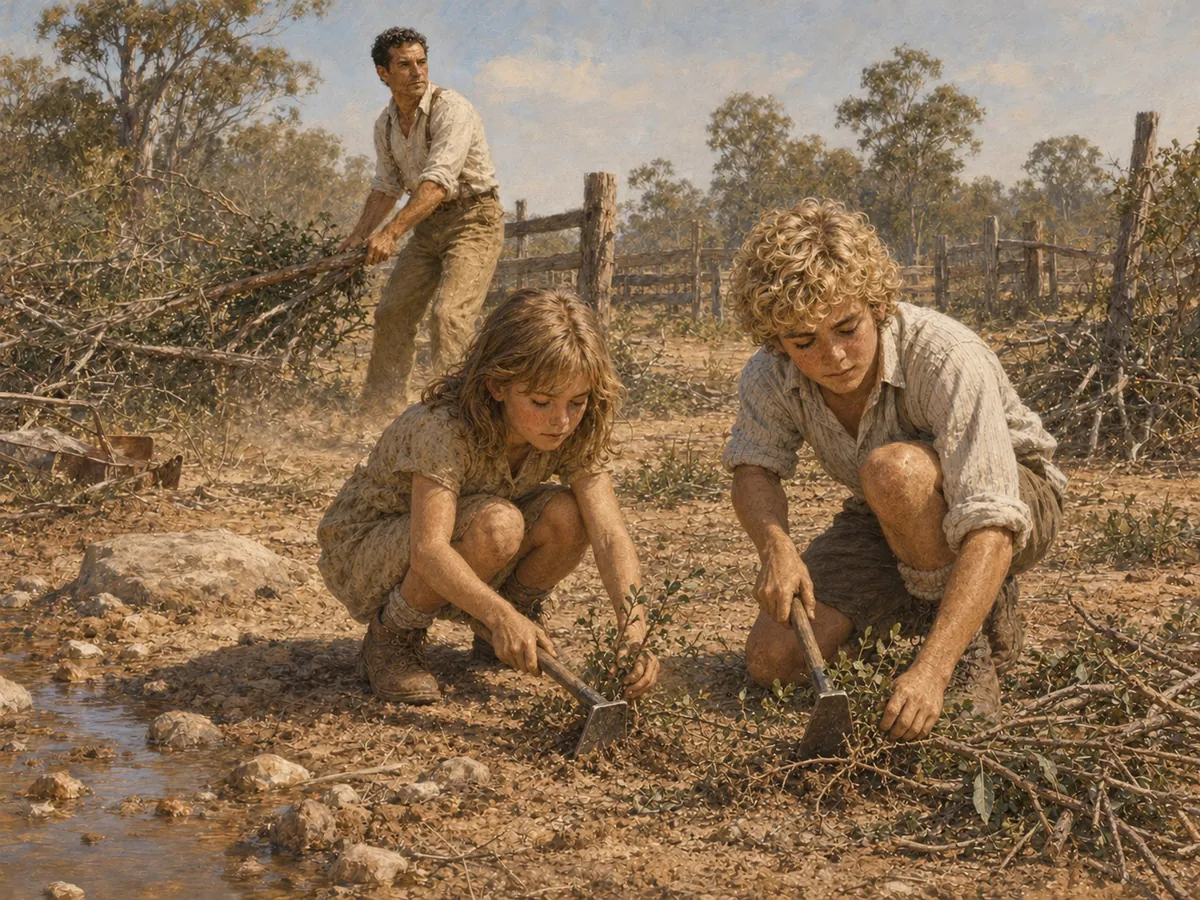
The smell of the eucalypt suckers burning on the fire was reward enough for me.
Two cents for every sucker pulled from the ground, and a paddock cleared by hand for the Ballarat Show.
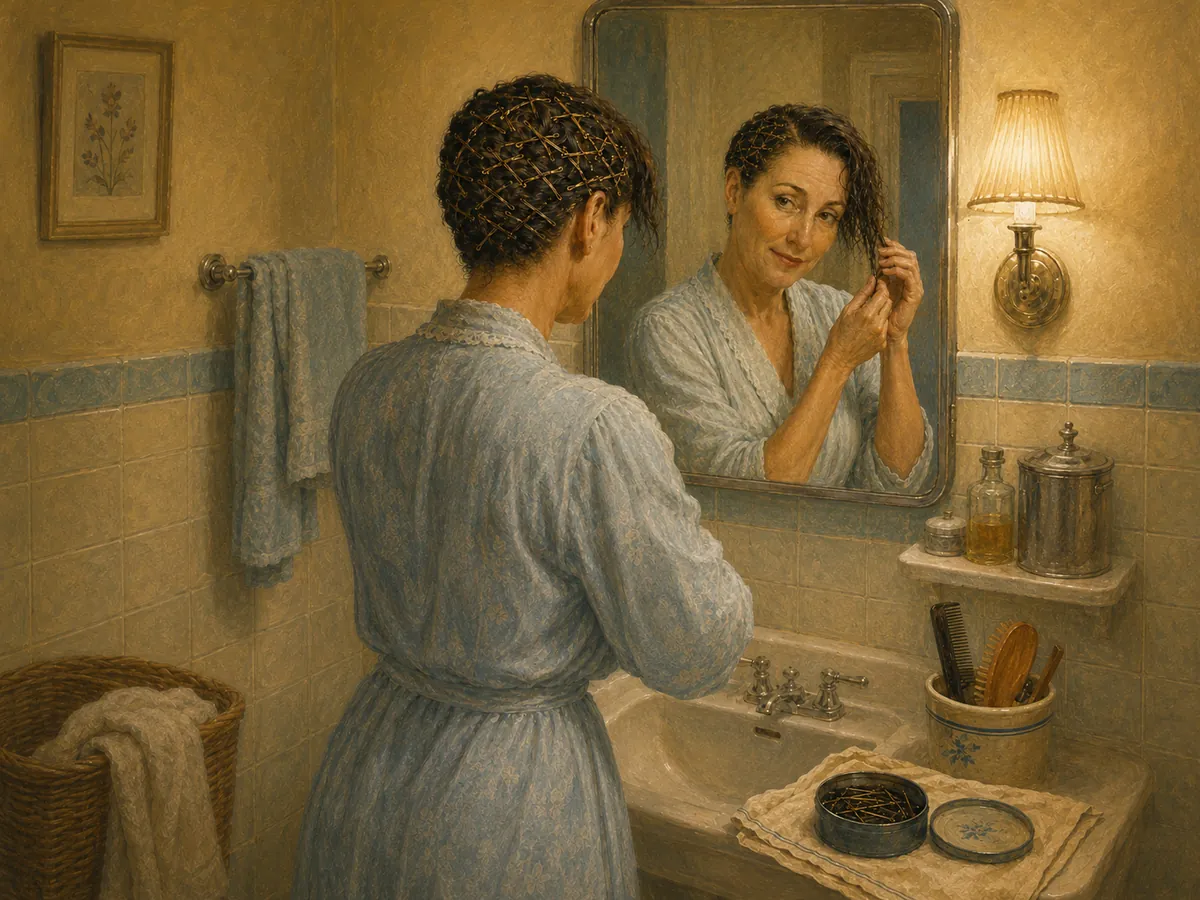
My mother had the same ritual every evening, one that had been her routine for as long as I could remember.
“Fifteen minutes to leaving time,” she’d chime from the bedroom.
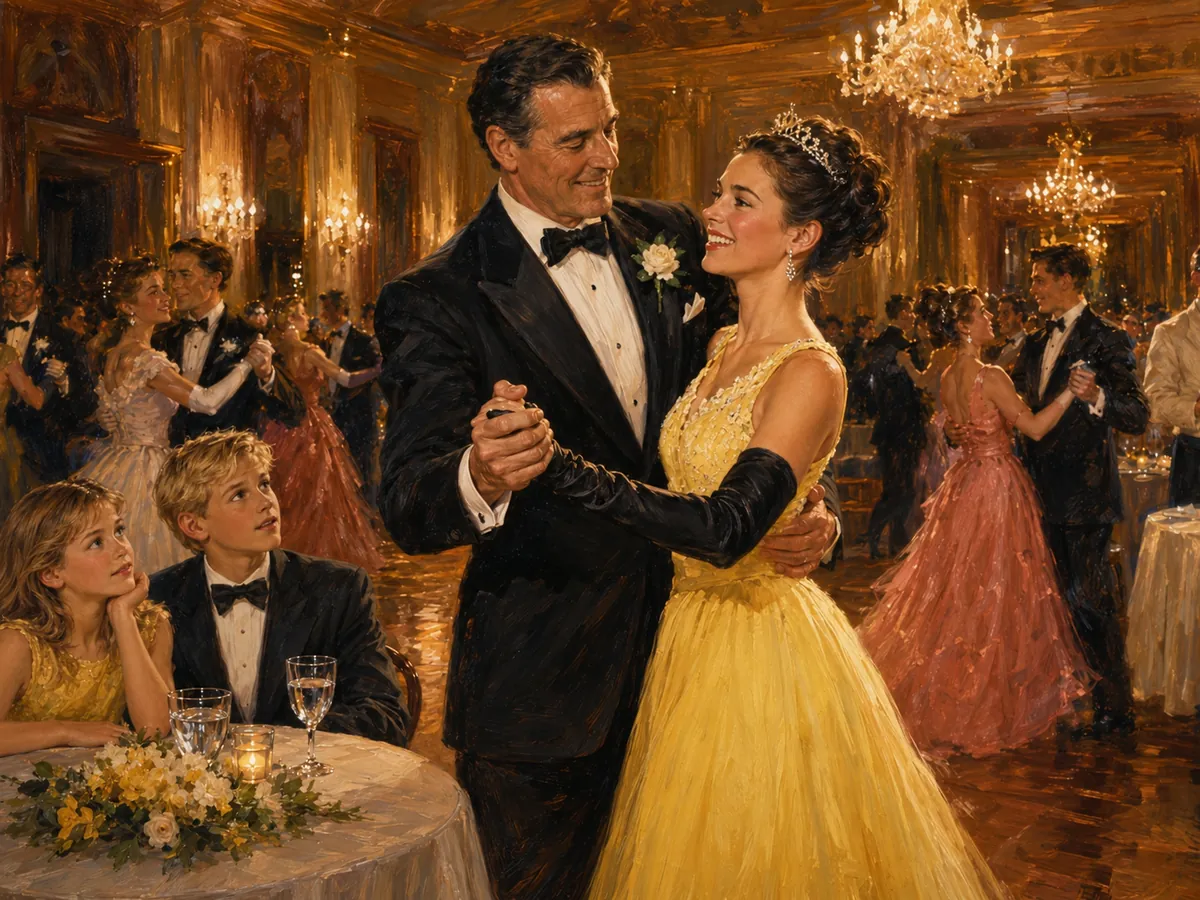
The Municipal Hall in Ararat was lit up like a palace.
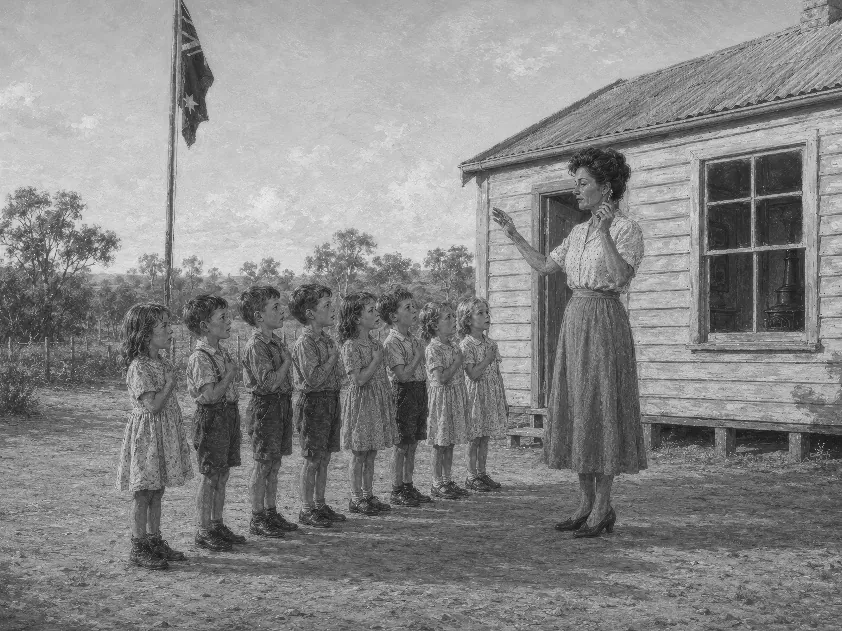
We looked on in awe, just the little kids on the sidelines.
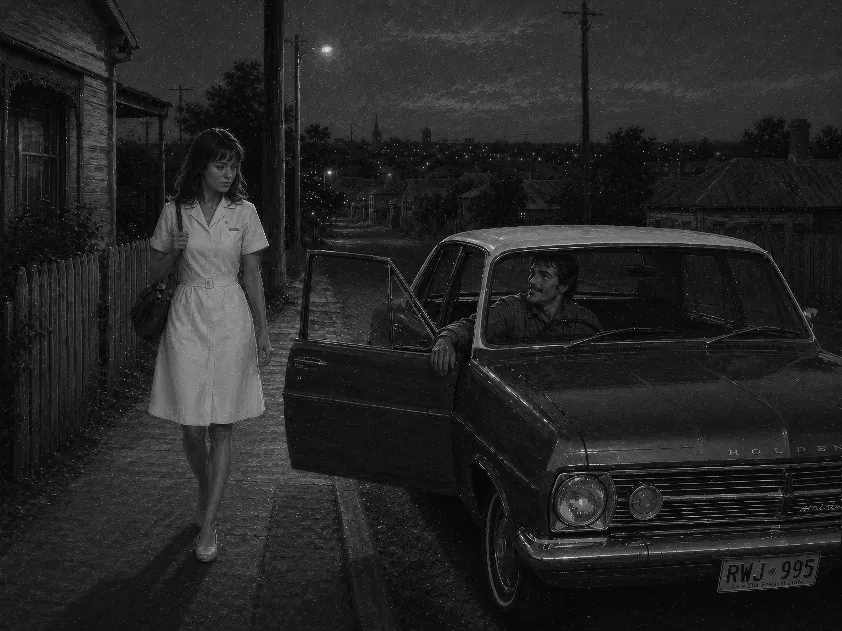
Tara was at the gate when we arrived, and I was struck by her beauty.
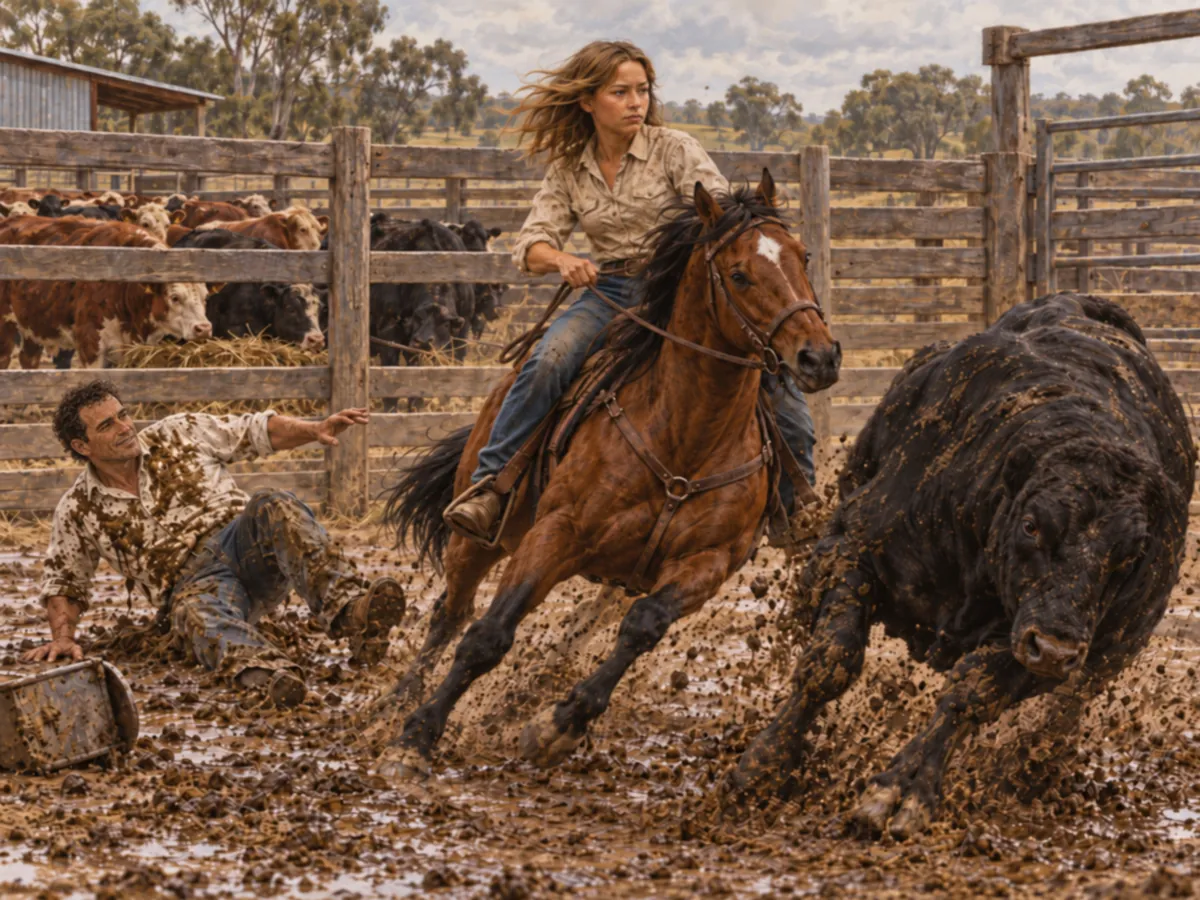
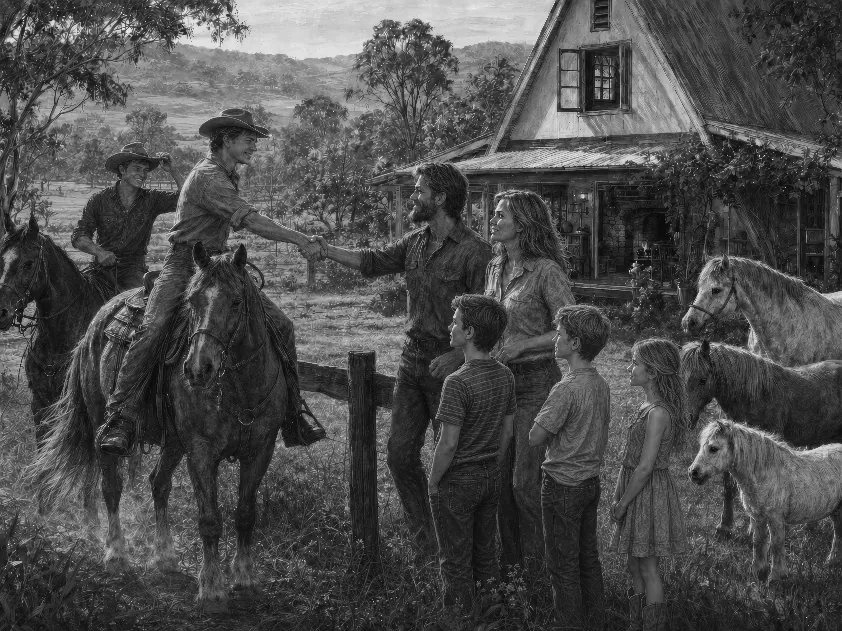
By her teens Glenda did most of the stock work on the property, mustering sheep and cattle on horseback.
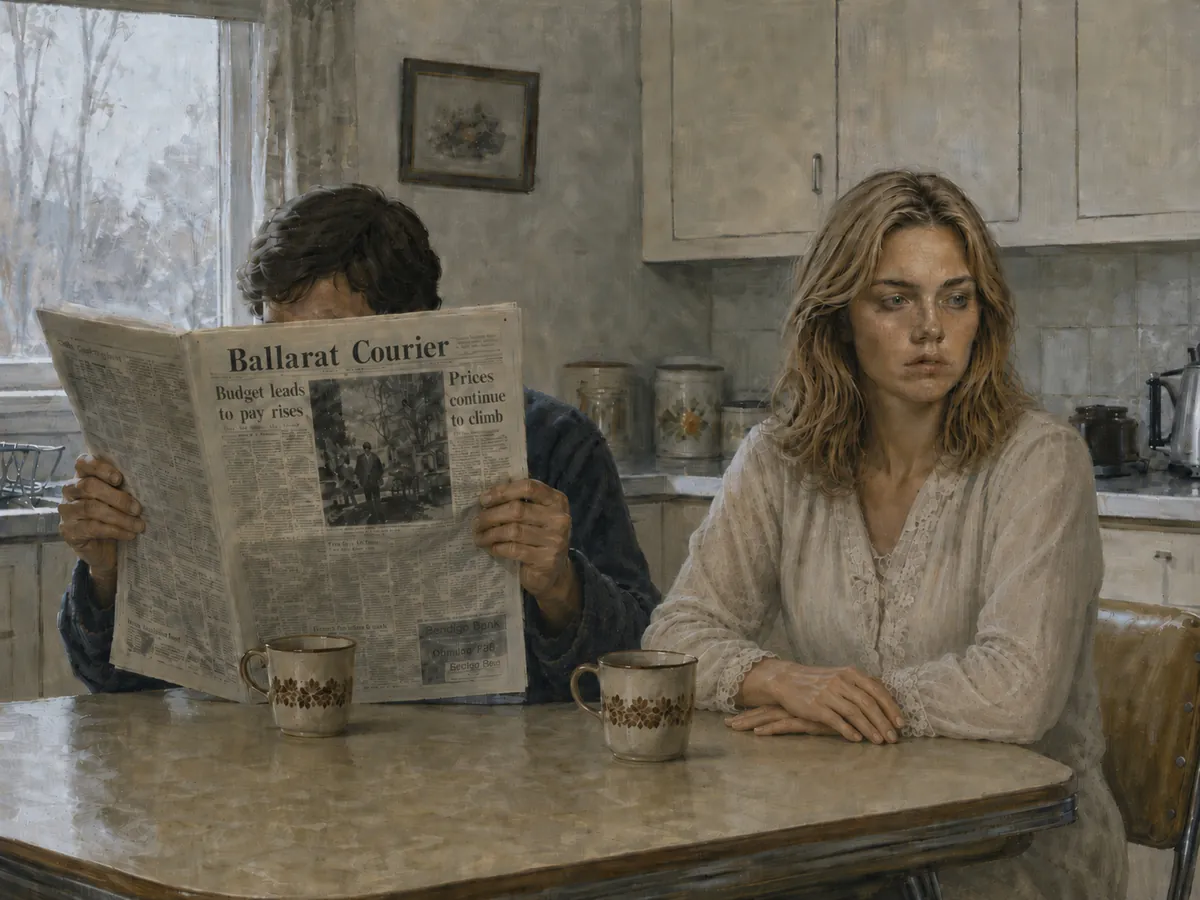
His silence was louder than any shout.
One morning she woke with a sudden urge to rescue something, and went looking among Ballarat’s antique stores.
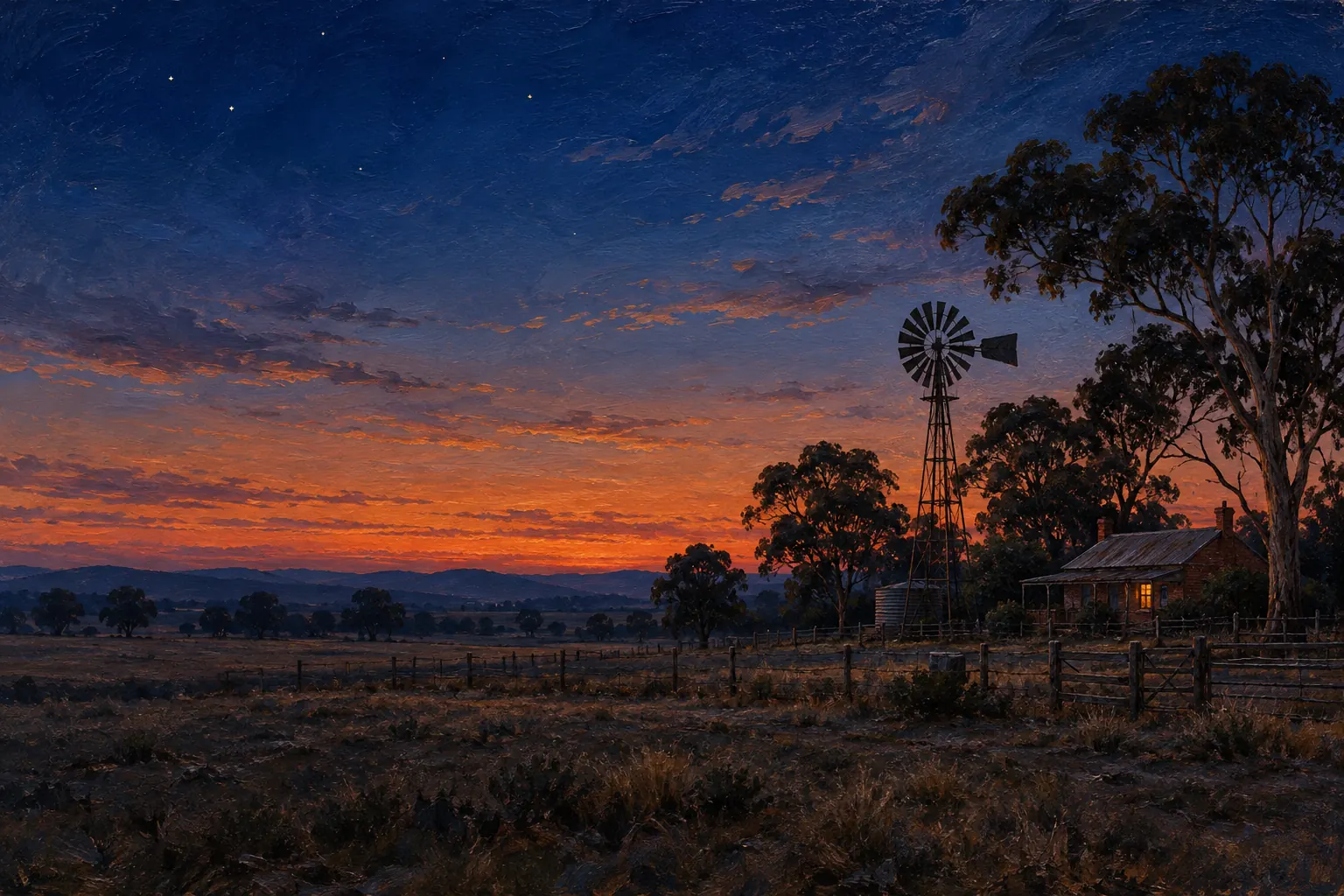
Transitioning from the deep, damp cold of Ballarat to the vibrant, sun-drenched energy of Queensland was the ultimate sensory reset.
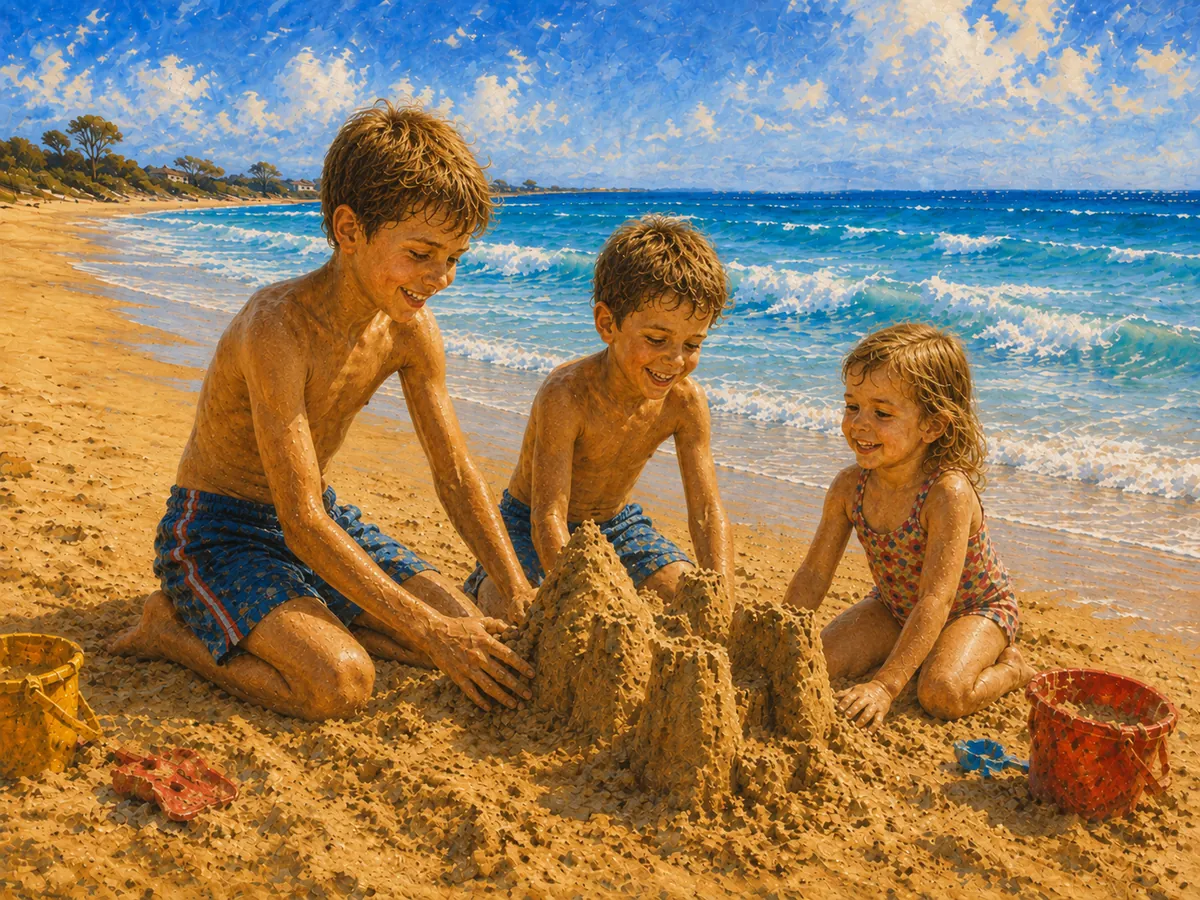
Beaches, sandcastles and jacarandas, a long way from the frost.
“You Australians don’t have a national doll.”
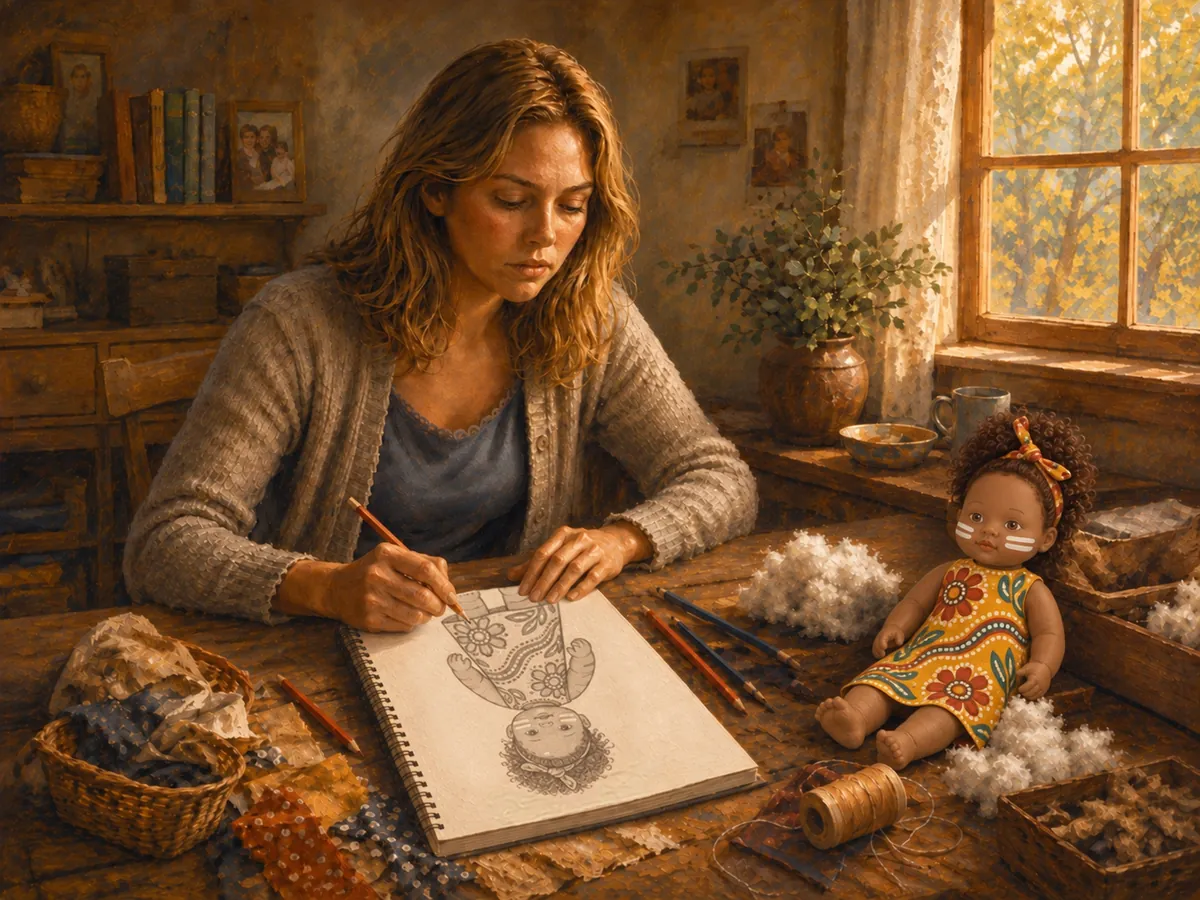
From one sketch at her writing desk grew a family cottage industry, built with the blessing of tribal elders.
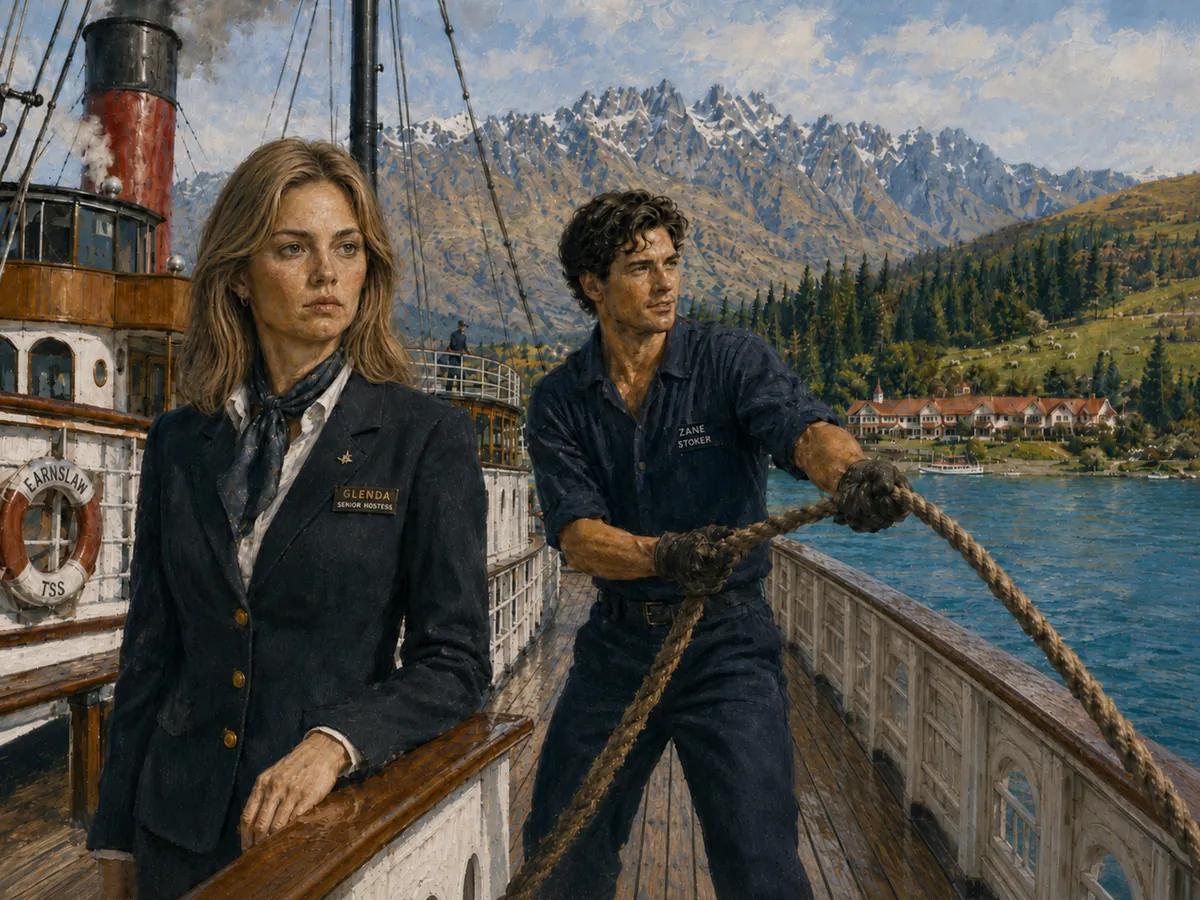
Below decks, the heart of the Earnslaw still operates as it did over a century ago.
A grandson with Curtis McLachlan’s blue-grey eyes, and a legacy that carries on.
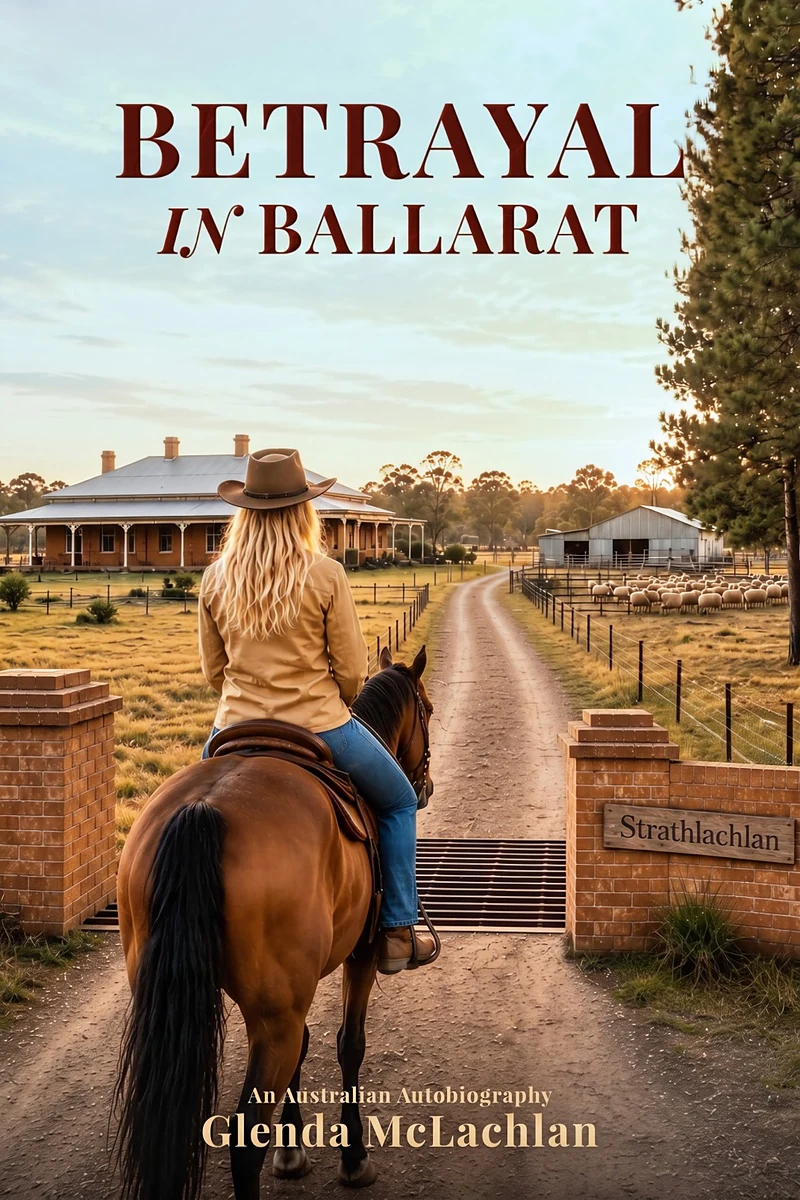
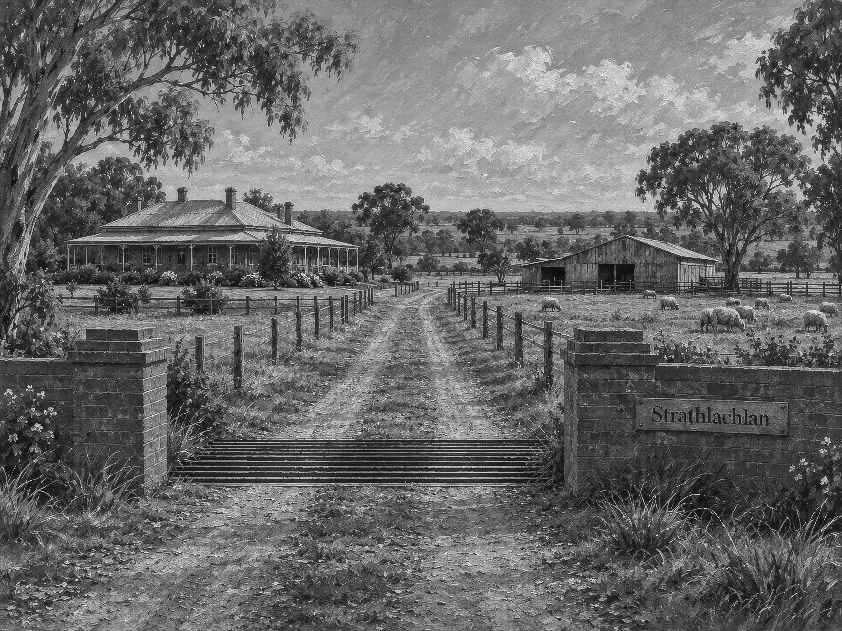
Strathlachlan was a father’s vision for his family.
What became of it, and of them,
is Glenda’s story to tell.
The full account is in the book.
Get the bookRural Victoria is more than a backdrop to Glenda’s memories. Farm work, animals and country communities shape the world of the book. Strathlachlan holds a particular place in her account as a symbol of her father’s work and his hopes for the family.
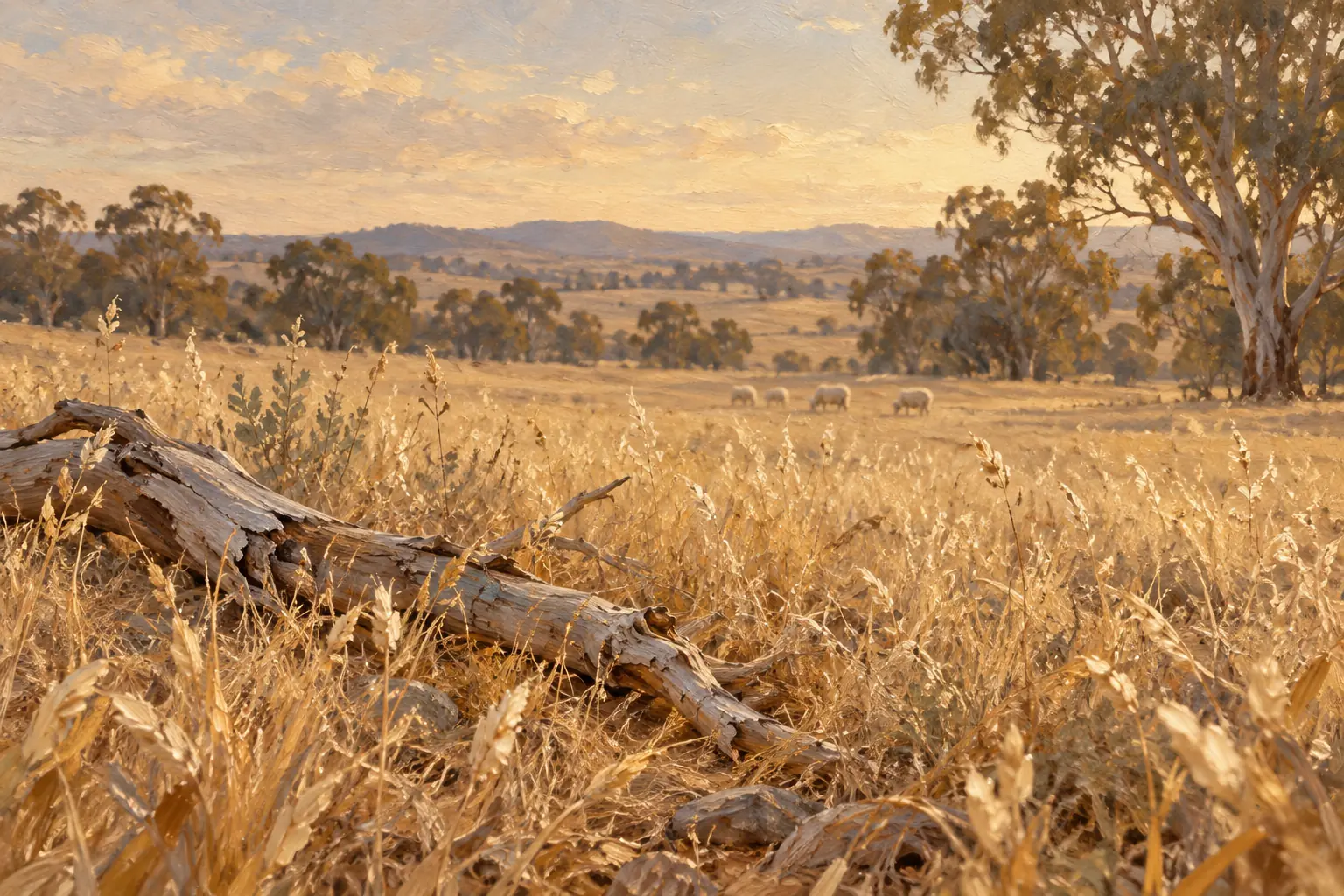
Flat grain country at the foot of Mount Arapiles, farmed by three generations of McLachlans.
The farm near Ballarat that Curtis cleared, fenced and lined with pines down the long drive.
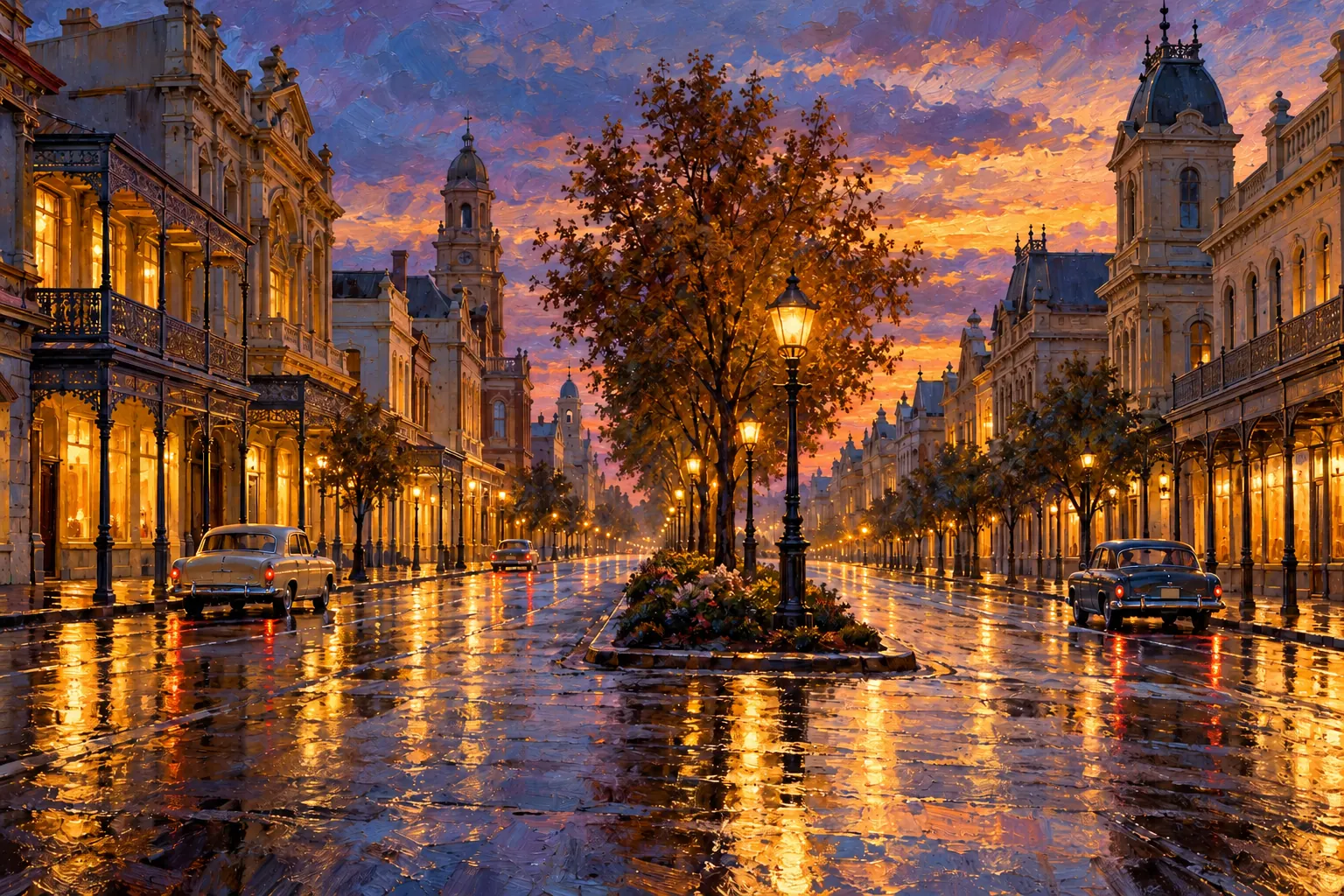
Grey winter skies, Sturt Street, the bakery, and the antique shops where a new life began.
Sunshine, purple-blue jacarandas and a fresh start far from the frost.
Glenda’s story is illustrated throughout. A few pages from the album.
From the opening chapter
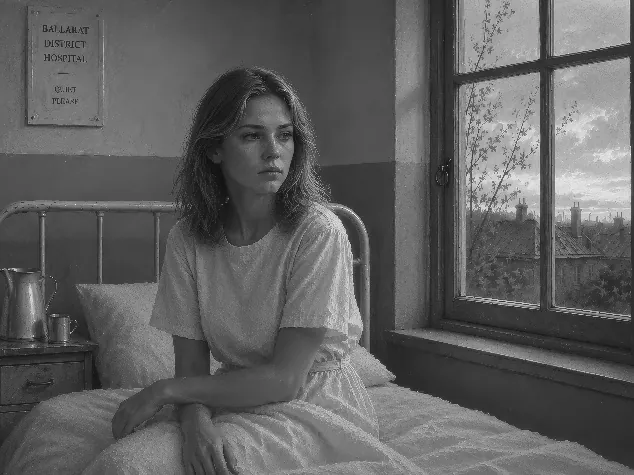
Outside my window, the world seemed full of colour, in stark contrast to the sterile, scratchy, starched white hospital gown and bedsheets that had already left a rash across my elbows. It made it hard to shift position, and it left me feeling shut off from every familiar sight and warmth I knew. I longed for the wood fires at home.
Through the tightly locked upstairs window, the weather seemed to be clearing, a welcome change from Ballarat’s grey winter skies. It was early spring; yellowish new leaves budded and tapped against the glass, pulling my mind away, if only for a moment, from everything waiting for me at home.
I twirled a strand of my dark blonde, shoulder-length hair, letting the sunlight filtering through the window catch and highlight it. My mother always said I was a chameleon, that my eyes shifted from green to grey and my hair changed colour in different light.
Betrayal in Ballarat is being prepared for publication. Leave your email and we’ll let you know the moment it’s available, with formats and stockists.
For book enquiries, interviews or event invitations, please use the contact form.
Preserve the dignity of Man, With soul erect; And trust the Universal Plan Will all protect.
Robert Burns, quoted at the close of the book